Modern home appliances make life easier, but their effectiveness and safety depend on correct use and maintenance. Frequent appliance maintenance is essential to maintaining the safe operation of your equipment and averting unplanned malfunctions. Every appliance, from ovens and refrigerators to washing machines and dryers, needs to be properly maintained to prevent electrical hazards, fire risks, and expensive repairs. Homeowners are frequently reminded by ETA Appliance that regular maintenance and basic safety procedures can greatly increase the lifespan of household appliances while safeguarding the house.
You may avoid mishaps and maintain the smooth operation of your house by being aware of these appliance safety recommendations.
Always Adhere to the Manufacturer’s Instructions
A user manual containing important safety instructions and operating directions is included with every device. These documents describe safe usage limitations, recommended maintenance practices, and correct installation. Ignoring these guidelines may raise the possibility of harm or problems. When installing or using a device for the first time, homeowners should consult the appliance manuals. Appliances run safely and effectively when manufacturer guidelines are followed.
Don’t Overload Your Home Appliances
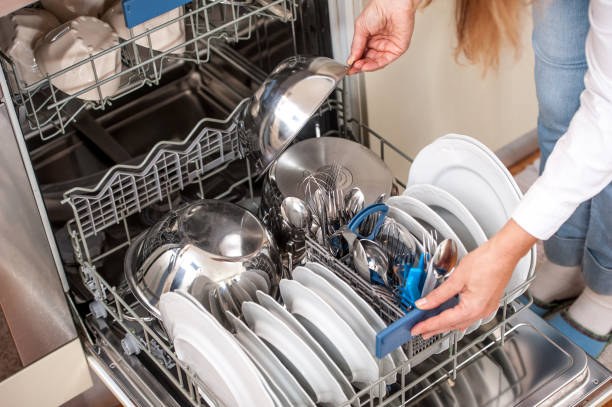
Appliances like dishwashers, dryers, and washing machines that are overloaded may put undue stress on internal parts. Reduced performance, overheating, or mechanical failure could result from this increased stress. Overloading a dryer, for instance, might obstruct adequate airflow, raising the possibility of overheating. Maintaining safety and extending the life of appliances can be achieved by using them to their recommended capacity.
Examine Electrical Connections and Power Cords
A significant safety risk in many houses is frayed or damaged electrical wires. Electrical fires, sparks, and shocks can result from old, loose, or damaged electrical cords. Check the plugs and cords that are connected to your appliances on a regular basis. Stop using the appliance right away and have a competent technician evaluate it if you find any damage.
Keep Your Appliances Clean and Well-Maintained:
Dust, grease, and dirt accumulation can impair appliance operation and pose a safety risk. For example, one of the most frequent causes of fires involving domestic appliances is lint buildup in dryer vents. Vents, filters, and coils should all be cleaned on a regular basis to preserve efficiency and lower dangers. Many common appliance issues can be avoided with periodic maintenance.
Make Sure There Is Enough Airflow Around Appliances
For many appliances to operate safely, enough ventilation is necessary since they produce heat. Appliances such as ovens, dryers, refrigerators, and others require enough ventilation to avoid overheating. Airflow can be obstructed by positioning equipment too close to walls or around them with litter. Appliances can safely dissipate heat and continue to operate properly if there is enough room around them.
Install Appliances Correctly
Poor performance, gas leaks, and electrical risks can result from improper appliance installation. Ovens, dryers, and freezers are examples of large appliances that frequently need special electrical connections or ventilation systems. Professional installation guarantees that appliances are connected securely and in accordance with manufacturer specifications. The possibility of future operational or safety difficulties is decreased by proper setup.
When Not in Use, Turn Off Appliances
Even when they are not in use, a lot of appliances still consume electricity. When not in use, smaller appliances like coffee makers, toasters, and space heaters should be unplugged to save energy and avoid potential risks. Because it reduces the possibility of electrical problems developing while the house is unattended, this technique is particularly crucial when leaving the house for extended periods of time.
Plan Regular Inspections of Appliances
Frequent inspections assist in spotting minor issues before they develop into major safety hazards. To make sure appliances run safely, qualified technicians can inspect motors, thermostats, electrical parts, and other internal systems. Preventive appliance maintenance can increase the equipment’s lifespan and lower the chance of unplanned malfunctions.
Conclusion:
Appliance safety is an important part of maintaining a secure and efficient home. By following simple guidelines like proper installation, routine cleaning, and regular maintenance, homeowners can prevent many common appliance hazards.
If your appliances need professional inspection or repair, contact ETA Appliance today. Expert appliance service can help keep your household equipment running safely and reliably for years to come.
FAQs:
1. How frequently should appliances in the home be serviced?
To guarantee safe and effective operation, the majority of appliances should be inspected or maintained at least once a year.
2. Which appliance safety risk is most prevalent?
Among the most frequent appliance-related risks are lint accumulation in dryers, electrical problems, and overheating.
3. Can appliance fires be caused by inadequate maintenance?
Indeed. Overheating and fire risks can be increased by poor maintenance, particularly in ovens and dryers.
4. When not in use, should I disconnect appliances?
Small appliances can be made safer and consume less energy by unplugging them when not in use.
5. When should I get a pro to fix my appliances?
If an appliance stops functioning properly, makes strange noises, or exhibits indications of electrical damage, you should contact a specialist.